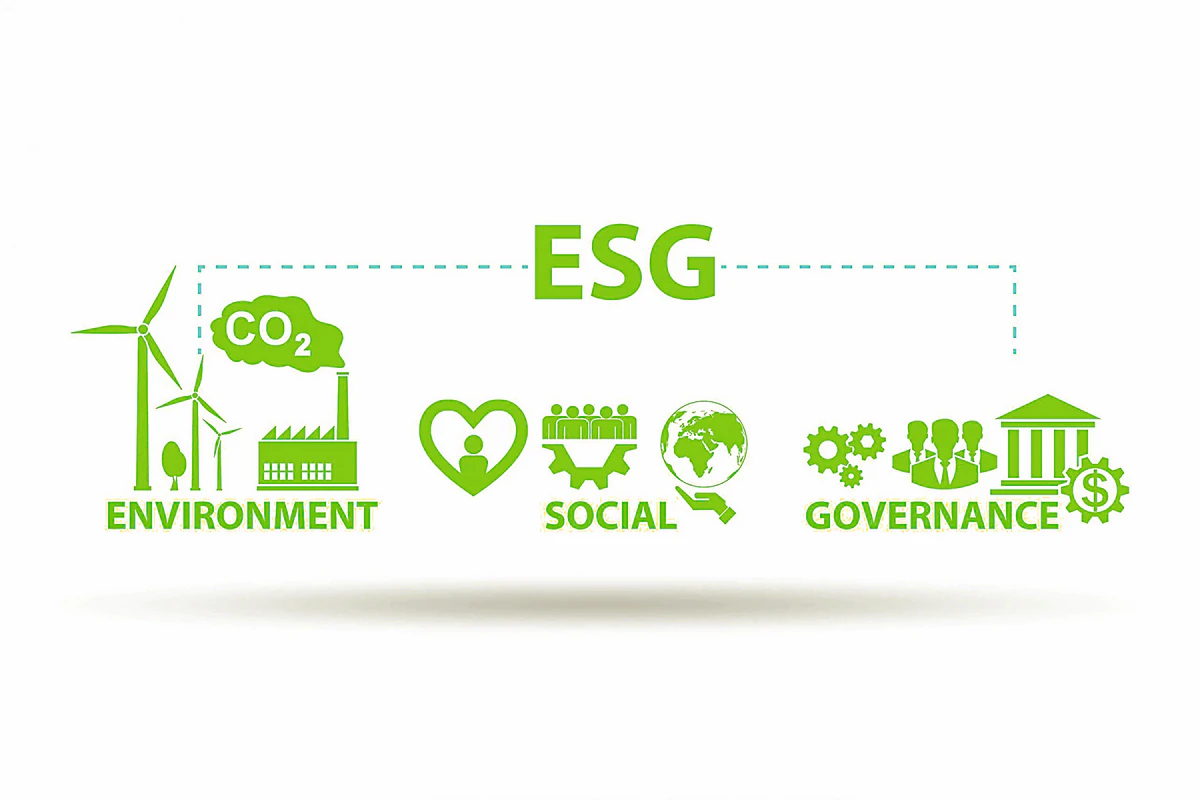
ESG is no longer just a buzzword. It is gradually changing the rules of the business game. The trend is particularly visible in the European Union. There, debates increasingly focus on corporate social responsibility, i.a. for dealings with actors perpetrating serious human rights abuses or causing unacceptable damage to the environment. Apparently, respect for human rights and environmental standards are fundamental principles. In reality however, without legislative pressure, even the most responsible companies turn a blind eye to violations committed by their direct or indirect partners down the supply chain.
The article focuses on how ESG standards are being incorporated in EU legislation as illustrated by the recent EU Directive No. 2024/1760 on Corporate Sustainability Due Diligence. We will also explore whether it provides for effective liability and how its implementation will impact Belarusian companies.
When will the Directive come into effect? Who is covered?
The EU Directive on Corporate Sustainability Due Diligence was adopted in 2024, but is not yet operational. In 2025, the European Parliament pushed the back its coming into force by one year. The idea was to give business and governments more time to adapt and integrate the new regulation into the Member States’ laws and policies.
Importantly, EU directives are not directly applicable and the new Directive must first become part of the Member States’ national norms. Consequently, many EU countries that have already adopted their own ESG legislation will also have to amend it to comply with the Directive. The deadline for amendments is set for July 26, 2027.
Using some baseline criteria we summarized information on which business categories are likely to be affected by the Directive. Apparently, it is important not only for European companies, but also third-country players doing business in the EU. The Directive notably applies to:
• (as of 2028) EU companies with more than 5,000 employees and a worldwide net turnover of more than €1.5 billion, as well as non-EU companies with EU turnover exceeding this threshold;
• (as of 2028) EU companies with an average of more than 3,000 employees and a worldwide net turnover of more than €900 million, as well as non-EU companies with an EU turnover exceeding this threshold;
• (as of 2029) EU companies with an average of more than 1,000 employees and a worldwide net turnover of more than €450 million, as well as non-EU companies with an EU turnover exceeding this threshold.
The Directive also applies to any entity that has not reached the established thresholds but is the ultimate parent stakeholder in a group that has cumulatively reached these thresholds in the last financial year.
What does the Directive require?
The Directive uses a number of specific terms, the meaning and implementation of which deserve a separate study. In a nutshell, the Directive obliges EU companies to undertake due diligence with respect to adverse impacts. They are held i.a. to incorporate due diligence measures into their policies, prevent, mitigate, minimize, and eliminate adverse impacts, establish and maintain a complaints mechanism.
 Let us examine these requirements in more detail.
What is “adverse impacts”?
Let us examine these requirements in more detail.
What is “adverse impacts”?
The term “adverse impacts” comprises adverse impacts on the environment and human rights.
These include, for instance, violations of the human right to life, the right to liberty and security, and the right to just and favorable conditions of work, including fair wages (a full list of adverse impacts is provided in the Directive). In other words, the use of forced labor, child labor, or employment discrimination may well fall under the scope of the document.
Adverse environmental impacts include the use of prohibited chemicals, as well as actions leading to environmental degradation (e.g., water, soil, and air pollution, deforestation, etc.).
What due diligence measures are now mandatory for EU and non-EU companies?
Due diligence within the ESG framework includes a number of measures. European and third-country companies subject to the Directive must:
– incorporate due diligence measures into their internal policies;
E.g: develop so-called "codes of conduct" with rules and principles regarding human rights and environment protection to observe by the company and its subsidiaries, as well as by their direct and indirect counterparties.
– identify and assess actual or potential adverse impacts on human rights or the environment (including identifying these impacts with respect to counterparties);
E.g.: conduct more thorough due diligence on counterparties before signing contracts and during their implementation, particularly in regions with a statistically higher risk of human rights and environmental standards violations.
– prevent and mitigate potential adverse impacts, as well as eliminate and minimize actual adverse impacts;
E.g.: a company is held to compensate for damage caused by deforestation.
If a company fails to take these measures, the Directive demands, as a last resort, to stop cooperation with direct and indirect business partners whose activity causes these “adverse impacts”.
– establish effective whistleblowing mechanisms and complaint procedures (complaints about “adverse impacts” can be filed, for example, by individuals affected by adverse impacts, trade unions, or civil society organizations);
– inform the public about the company’s due diligence;
E.g.: companies publish annual reports on the implementation of measures covered by the Directive on their websites.
The Directive also introduces a number of new norms for EU companies to observe with respect to their counterparties, including fr om third countries.
Importantly, the Directive applies not only to direct business partners of EU companies (i.e. direct contract signatories), but also their indirect business partners (i.e. those with whom no direct agreements have been signed, but the partner is involved in activities related to the activities, products, and services of the EU company).
An EU company that identifies adverse impacts in the supply chain caused by a business partner must demand that business partner to contractually guarantee compliance with the company's code of conduct. If the adverse impacts cannot be eliminated or minimized, the EU company may be constrained to refrain from expanding the cooperation or terminate the business relationship altogether. In view of the mechanisms described above, as well as EU directives’ specific legal characteristics, one can assume that the Directive's provisions are mainly theoretical and declarative. It is crucial to monitor how these provisions will be incorporated in national legislations in the near future and subsequently put into practice.
The experience of Germany is indicative, wh ere the Supply Chain Due Diligence Act, with similar provisions, came into effect even before the EU Directive had been adopted. Over more than two years since the German law’s adoption, not a single company has been publicly found financially liable for irregularities. However, complaints have been recorded and investigated, including against German supermarkets, with regard to violations of workers' rights on banana and orange plantations.
What is the liability for incompliance?
Since the Directive has no direct effect, specific liability provisions will be stipulated in EU Member States’ national laws. The Directive, for its part, sets minimum liability standards for violations:
• a monetary fine with a maximum amount of at least 5% of the company's net global revenue in the previous financial year;
• in the event of failure to pay the monetary fine, a public statement of the violation, identifying the company and the nature of the violation.
 How does this concern Belarus?
First, the Directive will directly apply to Belarusian businesses with a significant turnover in the EU. Therefore, we recommend checking your company's compliance with the Directive's criteria now. If your company meets the thresholds, then it will be held to comply with all ESG requirements on par with EU companies, while doing business in the EU.
Second, even if your company does not meet the thresholds, it may still be affected by the Directive, as EU counterparties will require compliance with their code of conduct to avoid fines. Therefore, to remain competitive, you are well-advised to brace yourself for stricter audits by European companies, and the inclusion of human rights and environmental clauses in contracts.
Recommendations for Belarusian companies operating in the EU market
If your company actively deals with European partners or operates in the European market, we recommend to:
– check if your company meets the Directive’s criteria;
– study your suppliers’s record for potential human rights violations and environmental risks;
– implement an ESG policy within your company: appoint a person responsible for sustainable development and introduce a system to monitor and verify counterparties;
– obtain certificates of compliance with international standards (if applicable to your company's activities);
– draw up and publish ESG reports on your company's website.


 Subscribe to news