Subscribe to news
Public Meeting of the Council at the Minsk Regional Customs: Focus on Digitalisation of Services and Control
23 July 2025
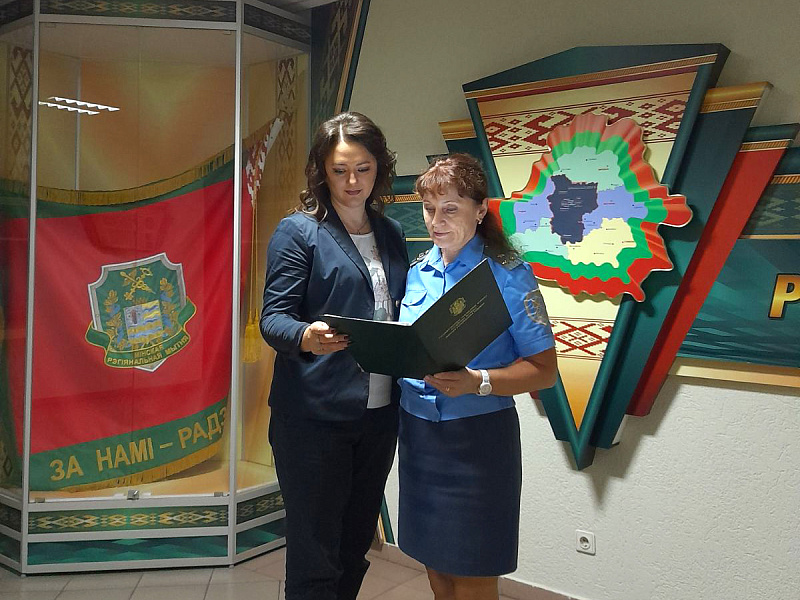
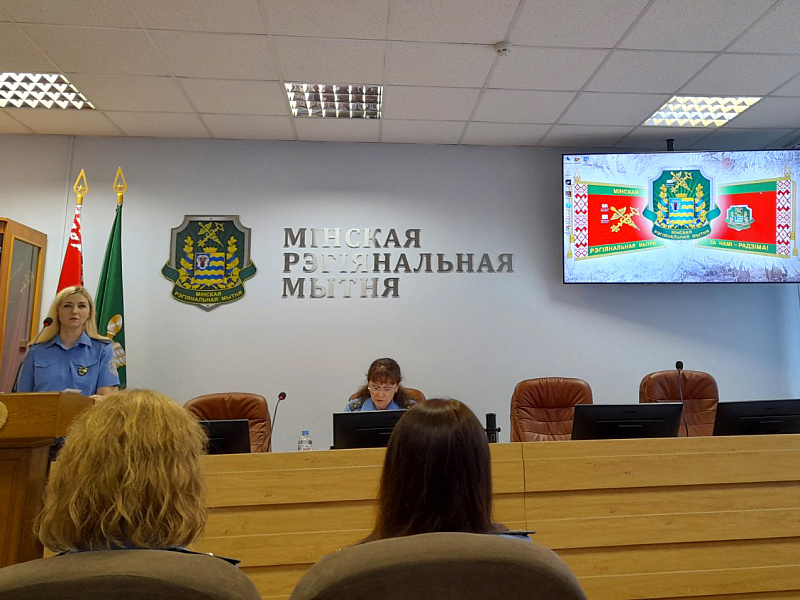
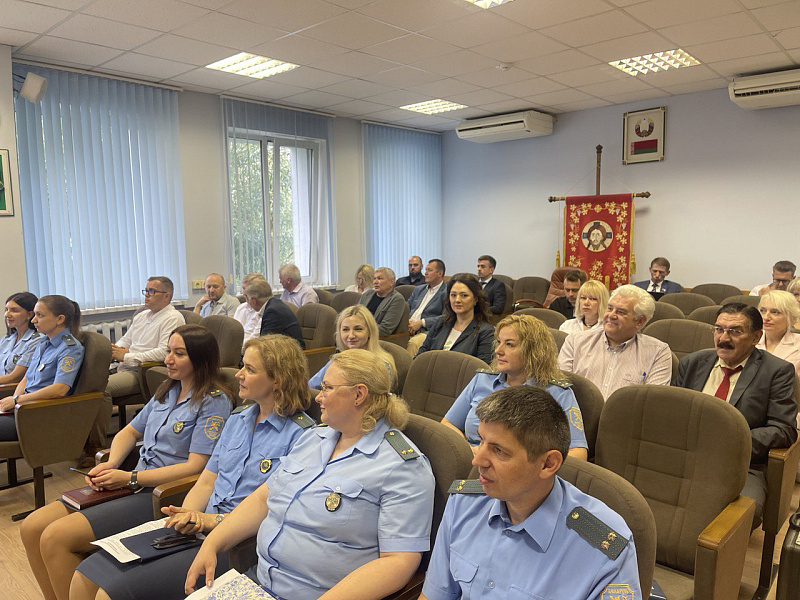
An open meeting of the expert council took place at the Minsk Regional Customs office, featuring the participation of Irina Kutsko, Deputy General Director for Expertise and Certification of the Minsk Branch of the Belarusian Chamber of Commerce and Industry. The event brought together representatives from business, customs authorities, and industry experts to discuss key issues related to the enhancement of customs procedures that facilitate the development of the country’s foreign economic activity.
The meeting focused on matters concerning the execution of customs operations when changing the delivery location of goods, and the specifics of providing customs authorities with licenses that confirm compliance with several non-tariff and other special measures simultaneously. The issue of digitalisation received particular attention, especially the organisation of post-customs control in the context of the functioning of the Centre for Electronic Declaration, which involves a transition to the comprehensive use of electronic document flow and remote interaction means. This approach significantly transforms the traditional model of customs supervision, ensuring round-the-clock electronic data exchange, and reducing time and resource expenditures for businesses and control authorities. Digital post-customs control is becoming a platform for coordination with other government bodies, enhancing the quality of monitoring and reducing administrative barriers.
The Belarusian Chamber of Commerce and Industry is also actively implementing its own initiatives for the digitalisation of services, notably the issuance of electronic certificates for products (works, services) produced in-house using an electronic digital signature (EDS). The process initiated in 2025 substantially simplifies documentation procedures and optimises the interaction of participants in foreign economic activity with the exchange, customs, and tax authorities. The transition to an electronic format for certificates ensures a significant reduction in time and financial costs for businesses, as well as broadens the scope of their use, including confirming the right to tax benefits and participation in public procurement. A complete transition to the digital issuance of self-produced certificates is planned for September 2025, marking an important step in modernising business processes. To ensure unconditional trust from government bodies and the business community, a specialised online service for verifying the authenticity of certificates has been developed, guaranteeing prompt and reliable document checks while minimising fraud risks.
Despite the successes in internal digitalisation, representatives of the Belarusian Chamber of Commerce and Industry and customs authorities note that international recognition of electronic certificates of origin requires coordination with partners in free trade zones and the development of interstate electronic data exchange, which takes time and diplomatic support. Belarus has already established partnerships in the recognition of electronic certificates with Azerbaijan, Uzbekistan, Vietnam, and Serbia, opening new opportunities for Belarusian enterprises in international markets.
Photo